As urbanization continues to accelerate, high-rise buildings have become an increasingly popular choice for residential, commercial, and office use. However, alongside this rapid development comes the growing risk of fire incidents, which can result in devastating consequences if fire prevention and firefighting measures are not given the attention they deserve.
Fire safety is not only a legal requirement but also a shared responsibility of property developers, building management teams, and every resident. Ensuring effective fire prevention and firefighting systems helps protect lives, safeguard property, and maintain a safe and secure living environment.
In reality, numerous major fires have occurred in high-rise buildings, causing significant loss of life and property. These incidents are often the result of negligence, inadequate fire safety awareness, poorly maintained fire protection systems, or the absence of regular inspections and maintenance.
WHY IS FIRE SAFETY IN HIGH-RISE BUILDINGS SO IMPORTANT?
Unlike conventional residential buildings, high-rise buildings accommodate a large number of occupants and feature complex technical systems with many enclosed spaces. When a fire breaks out, evacuation and firefighting operations become significantly more challenging due to the following factors:
- Smoke and toxic gases spread rapidly through elevator shafts, corridors, and ventilation systems.
- Evacuation takes longer, particularly for the elderly, young children, and people with disabilities.
- Firefighters face greater challenges accessing upper floors.
- Casualties and property damage can escalate rapidly if the fire is not brought under control in time.
Even a seemingly minor incident—such as an electrical short circuit, improper use of electrical appliances, or an unattended heat source—can quickly develop into a major fire with severe consequences.
ESSENTIAL AND URGENT FIRE SAFETY SOLUTIONS
1. Invest in Standard-Compliant Fire Protection Systems
A safe building should be equipped with a comprehensive fire protection system, including:
- Automatic fire alarm system
- Automatic sprinkler system
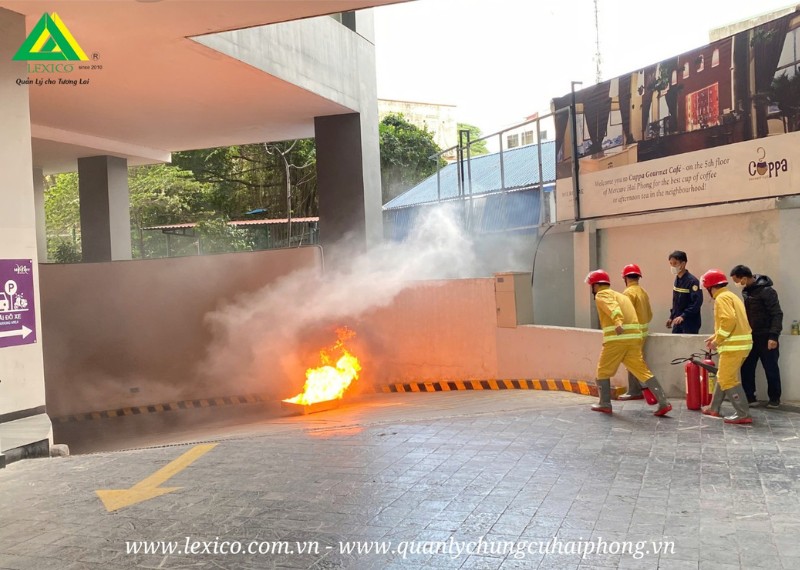
- Fire extinguishers installed at designated locations
- Indoor fire hydrant system
- Pressurization fans and smoke extraction systems
- Emergency lighting and illuminated exit signs
Most importantly, all fire protection systems must be inspected and maintained regularly to ensure they remain fully operational at all times.
2. Conduct Regular Inspection and Maintenance
Many fire incidents occur not because of a lack of equipment, but because the equipment is no longer functioning properly.
Building management should establish a routine maintenance plan that includes:
- Inspection of electrical systems
- Periodic certification and testing of fire protection equipment
- Regular testing of fire alarm and firefighting systems
- Immediate repair of damaged equipment and elimination of potential safety hazards
.jpg)
3. Enhance Fire Safety Awareness Among Residents and Occupants
People are always the most critical factor in fire prevention.
Every resident and building occupant should:
- Never install or modify electrical wiring without authorization.
- Avoid charging electrical devices overnight or when unattended.
- Keep corridors and emergency exits free from obstructions.
- Know how to use a fire extinguisher and respond effectively during the initial stage of a fire.
- Familiarize themselves with the building's emergency evacuation plan and escape routes.
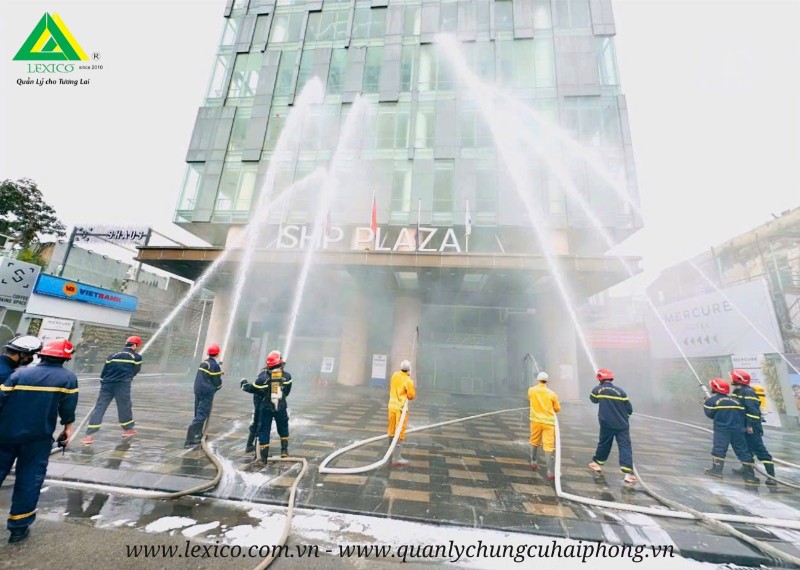
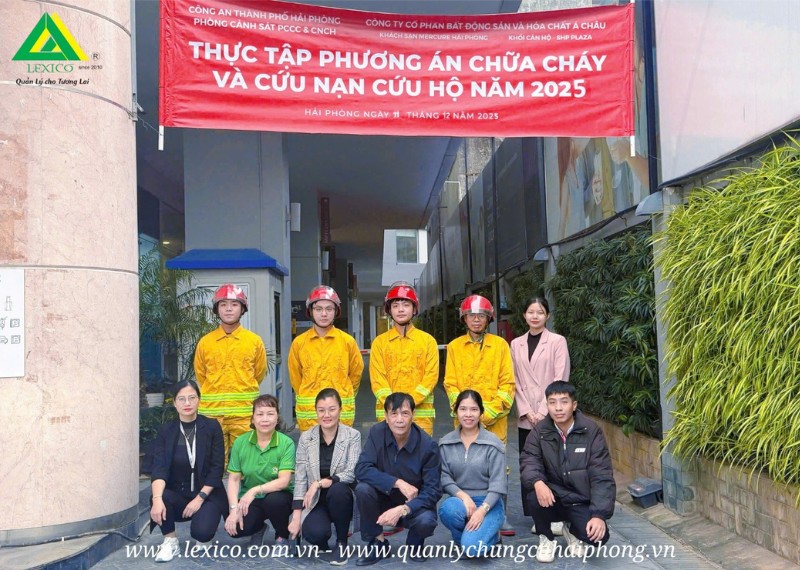
4. Organize Regular Fire Drills
Routine fire drills help residents and employees:
- Develop effective evacuation skills.
- Coordinate efficiently during emergencies.
- Reduce panic in real-life situations.
- Minimize response time during the initial stages of a fire.
A well-organized fire drill can make a significant difference when an actual emergency occurs.
5. Utilize Smart Technologies for Fire Safety Management
Many modern buildings are now adopting intelligent fire safety solutions, including:
- Remote monitoring of fire protection systems
- Smoke and heat detection sensors
- Mobile phone alerts for building management
- AI-powered surveillance cameras capable of detecting potential fire hazards
The application of smart technologies enables early risk detection, improves management efficiency, and significantly reduces potential losses.
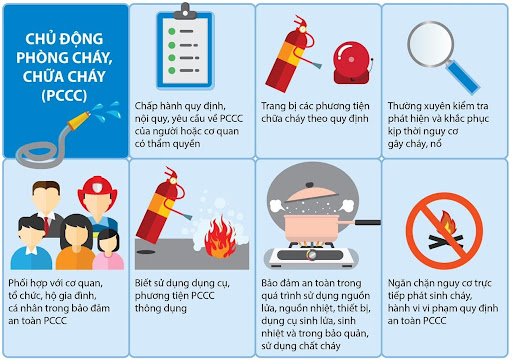
SAFETY BEGINS WITH EVERY INDIVIDUAL
No fire protection system is truly effective without the cooperation of its users.
Every resident, employee, and visitor should:
✅ Comply with all fire safety regulations.
✅ Never underestimate potential fire hazards.
✅ Proactively learn emergency evacuation skills.
✅ Immediately report any unsafe conditions to the building management.
Conclusion
Fire prevention and firefighting are not solely the responsibility of emergency services—they are a shared responsibility of the entire community.
For high-rise buildings, investing in modern fire protection systems, implementing professional building management, and raising public awareness are essential and urgent measures to create a safe, secure, and sustainable living and working environment.
"Prevention is better than firefighting" is more than just a slogan—it should become a daily commitment to protecting lives, property, and the well-being of everyone.
LEXI TRADING AND SERVICES COMPANY LIMITED
Hotline: +84 906 182 555 (Mrs. Lisa – Thuy Dung)
Email: thuydung.lexico@gmail.com
Website: www.lexico.com.vn - www.quanlychungcuhaiphong.v
Head Office: No. 1/268 Bui Thi Tu Nhien Street, Dong Hai Ward, Hai Phong City, Vietnam.